The 'Abusive Owner' Crisis and the Yelling Culture: When Toxic Attitudes Empty the Salon
A customer service bulletin examining leadership, customer respect, and professionalism in the beauty industry.

The "Abusive Owner" Crisis and the Yelling Culture: When Toxic Attitudes Empty the Salon
Customer Service Bulletin – Emotion Management & Leadership Accountability Feature
According to a customer review involving JoVi Nails Rockford, the reviewer's concerns centered less on the technical quality of the services and more on interactions with the salon's owner. The customer alleged that repeated disrespectful communication ultimately convinced both her and a friend not to return.
Concerns About Customer Interactions
According to the review, the customer described the owner as being abrupt and unpleasant whenever questions were asked.
She alleged that instead of offering clear explanations or friendly assistance, the conversations often felt dismissive and uncomfortable. As a result, she said she no longer felt welcomed as a paying customer.
Leadership and Customer Experience
The reviewer further suggested that the owner's communication style had affected the salon's reputation.
According to her account, she believed the business appeared quieter than other salons in the area and personally attributed that to negative customer experiences. This reflects the customer's opinion and has not been independently verified.
Editorial Perspective
Owners and managers play a central role in shaping the culture of any service business. Professional, respectful communication can strengthen customer loyalty, while confrontational interactions may discourage repeat visits and referrals.
When concerns arise, calm explanations, active listening, and empathy often help resolve misunderstandings before they become public complaints.
Key Takeaways
- Respectful communication is a core part of customer service.
- Leadership behavior influences workplace culture.
- Customers value clear, courteous explanations.
- Professional responses help protect a business's reputation.
- Positive interactions encourage repeat business and referrals.
Final Thoughts
The experience described in this customer review illustrates how interpersonal communication can become just as important as technical skill. For beauty businesses, respectful leadership, emotional professionalism, and thoughtful customer engagement remain essential ingredients for long-term success.
More in Beauty & Wellness
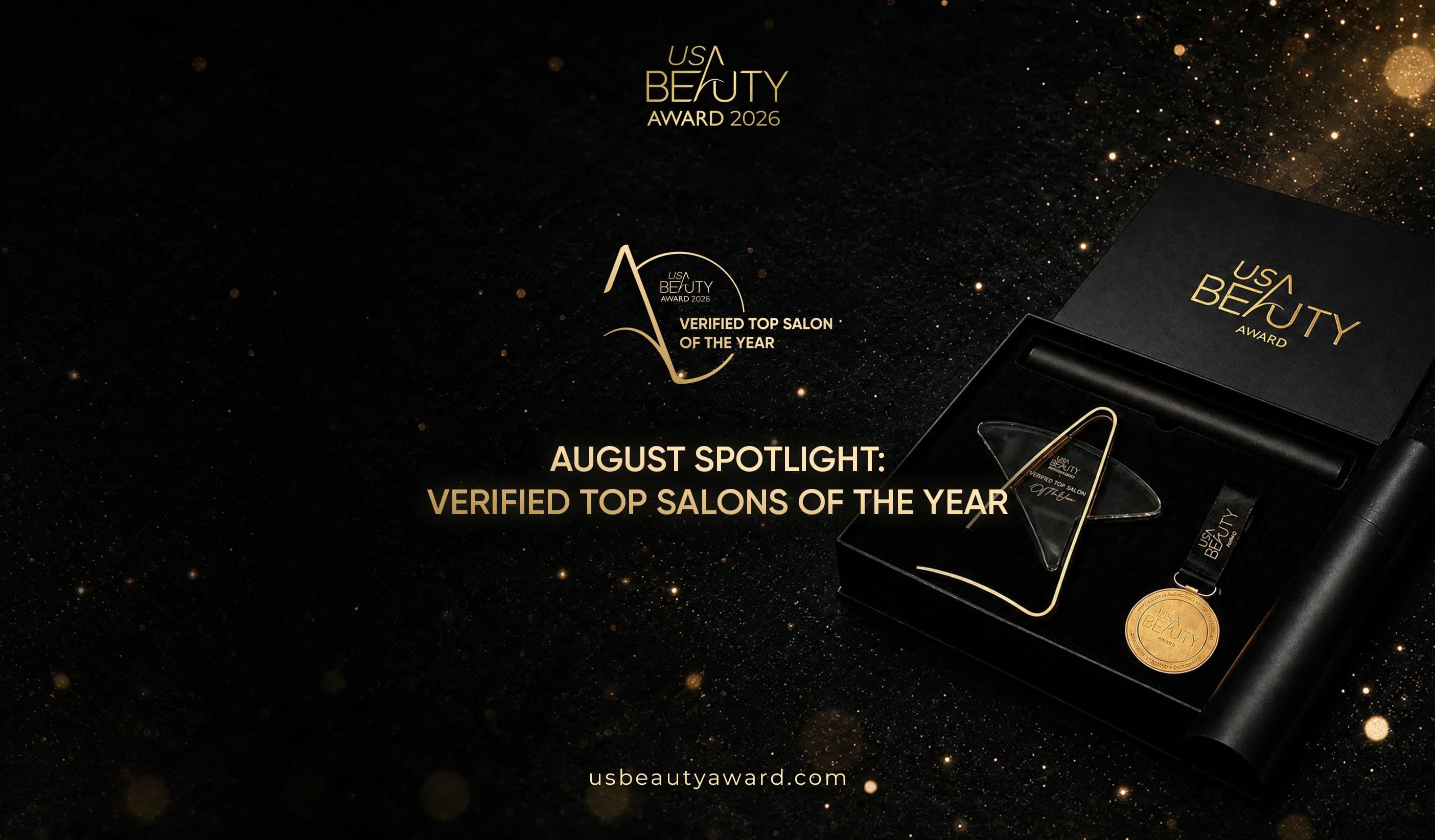
US Beauty Award August 2026 Spotlight Honors Verified TOP Salons Across the United States
The US Beauty Award announces seven Verified TOP Salon recipients for August 2026, recognizing beauty establishments across six states for their commitment to quality, craftsmanship and client care.

US Beauty Award Unveils High-Level Jury Panel to Strengthen Independent Beauty Standards
US Beauty Award has announced its High-Level Jury Panel, bringing together specialists across artistry, hospitality, customer psychology, brand strategy and salon operations to support an independent and professional evaluation framework.

Late Appointment, Wrong Design, and Reported Nail Damage at Smile Nails Spa
A customer at Smile Nails Spa says a 40 minute wait and an incorrect dip and chrome design were followed by nail damage she noticed weeks later. A look at how the salon handled the redo, and what the client's account suggests for service and technique.